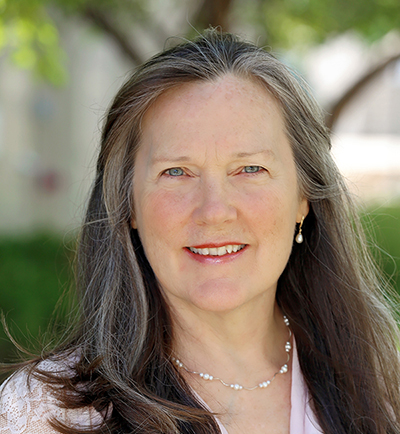
Lisa McCann, PhD, RFC®, MS, MA
Principal and Wealth Advisor Seva Wealth Management lisa.mccann@seva-wealth.com
 720-985-8930



Funding A Legacy: Three Ways To Get Creative
Leaving a legacy for children or grandchildren is often a strong motive for creating an estate plan. But it doesn’t have to be a simple cash bequest that you must carve out now. There are many ways to structure your existing estate so that you have the benefit now but can still leave a meaningful legacy to those you love. And there are often tax benefits. We look at three strategies.
Setting Up a Beneficiary IRA
Both traditional IRAs and Roth IRAs allow for multiple beneficiaries. After the death of the donor, the IRA is divided into separate accounts for each beneficiary. These separate accounts can be accessed independently. Beneficiaries have five years to either take the money out of the account or transfer the plan to an Inherited IRA that allows for stretch distributions.
Naming a Child as Beneficiary to an Annuity
Purchasing an annuity and naming a child as beneficiary provides an income stream from annuity payments upon the donor’s death. Because the child is younger, this can result in a bigger stream of income throughout their lifetime. However, one thing to be aware of—minor children cannot own legal property in their names. A good solution is to designate a custodian as the beneficiary for benefit of the minor under the Uniform Transfer to Minors Act.
Survivorship Insurance – With a Twist
Survivorship life insurance covers two policyowners and pays off at the second death (that’s why it’s also called “second-to-die” insurance). Because it doesn’t pay out until the second death, it can be a cost-effective way to provide a bigger death benefit than buying two individual policies. This makes it an effective estate planning tool.
A couple with two children taking out a $1 million survivorship insurance policy would be effectively leaving each child $500,000.
Here’s the twist: Required Minimum Distributions now kick-in at age 73 and increase as the individual ages. At this point, many retirees have their income stream set and don’t need the money to live on. A common tactic is to reinvest the money. Rather than doing this, using the RMD to pay the survivorship insurance premium can create a way to fund a legacy that does not depend on the proceeds of the estate. This can leave retirees free to spend their savings on things that are important to them, knowing that their legacy to their children is provided for.
The Bottom Line
These are just three strategies to leave a legacy that isn’t dependent on setting aside some part of your retirement savings. A good estate plan can be flexible and comprehensive for both the retiree and the ultimate beneficiaries. Of course, you should speak to your tax and legal professionals about your estate planning needs—but a check-in with your financial professional can get the ball rolling.
This work is powered by Advisor I/O under the Terms of Service and may be a derivative of the original.
The information contained herein is intended to be used for educational purposes only and is not exhaustive. Diversification and/or any strategy that may be discussed does not guarantee against investment losses but are intended to help manage risk and return. If applicable, historical discussions and/or opinions are not predictive of future events. The content is presented in good faith and has been drawn from sources believed to be reliable. The content is not intended to be legal, tax or financial advice. Please consult a legal, tax or financial professional for information specific to your individual situation.
This content not reviewed by FINRA
Disclosure information
The opinions expressed in this article are for general informational purposes only and are not intended to provide specific advice or recommendations for any individual. Nothing contained herein constitutes investment, financial, legal, or tax advice, nor should it be relied upon as such. Past performance is not indicative of future results. All investing involves risk. Seva Wealth Management provides advisory services to clients or prospective clients only where appropriate registration and licensing has been completed, and in the context of comprehensive financial planning. Please contact us at www.Seva.Wealth.com, Lisa.McCann@Seva-Wealth.com, or 720-985-8930 to explore financial planning and discuss how this information may apply to your personal financial circumstances. Schedule a meeting today!